

Managing social media efficiently is a challenge for professionals and businesses alike, especially when juggling multiple platforms. The allure of scheduling tools is their promise to save time and streamline workflows. But do popular options like Buffer, Metricool, and Hootsuite truly deliver? In this article, we’ll explore the findings from a hands-on evaluation of these tools, highlight their strengths and weaknesses, and uncover an unconventional approach to social media management that prioritizes both efficiency and quality.
The Challenge: Balancing Efficiency and Quality
For small teams or entrepreneurs managing their own social media, the manual posting process is time-consuming. While creating content may be the creative part, the repetitive task of uploading, formatting captions, selecting thumbnails, and optimizing for various platforms can quickly become overwhelming. The search for a tool to automate this process is appealing but often fraught with challenges, as social media platforms are not always friendly to third-party scheduling services.
Enter Buffer, Metricool, and Hootsuite - three widely used tools designed to simplify social media management. Each comes with its own set of promises, but do they deliver on ease of use, performance, and consistency?
sbb-itb-ea6392c
Tool #1: Metricool – Great on Paper, But Falls Short
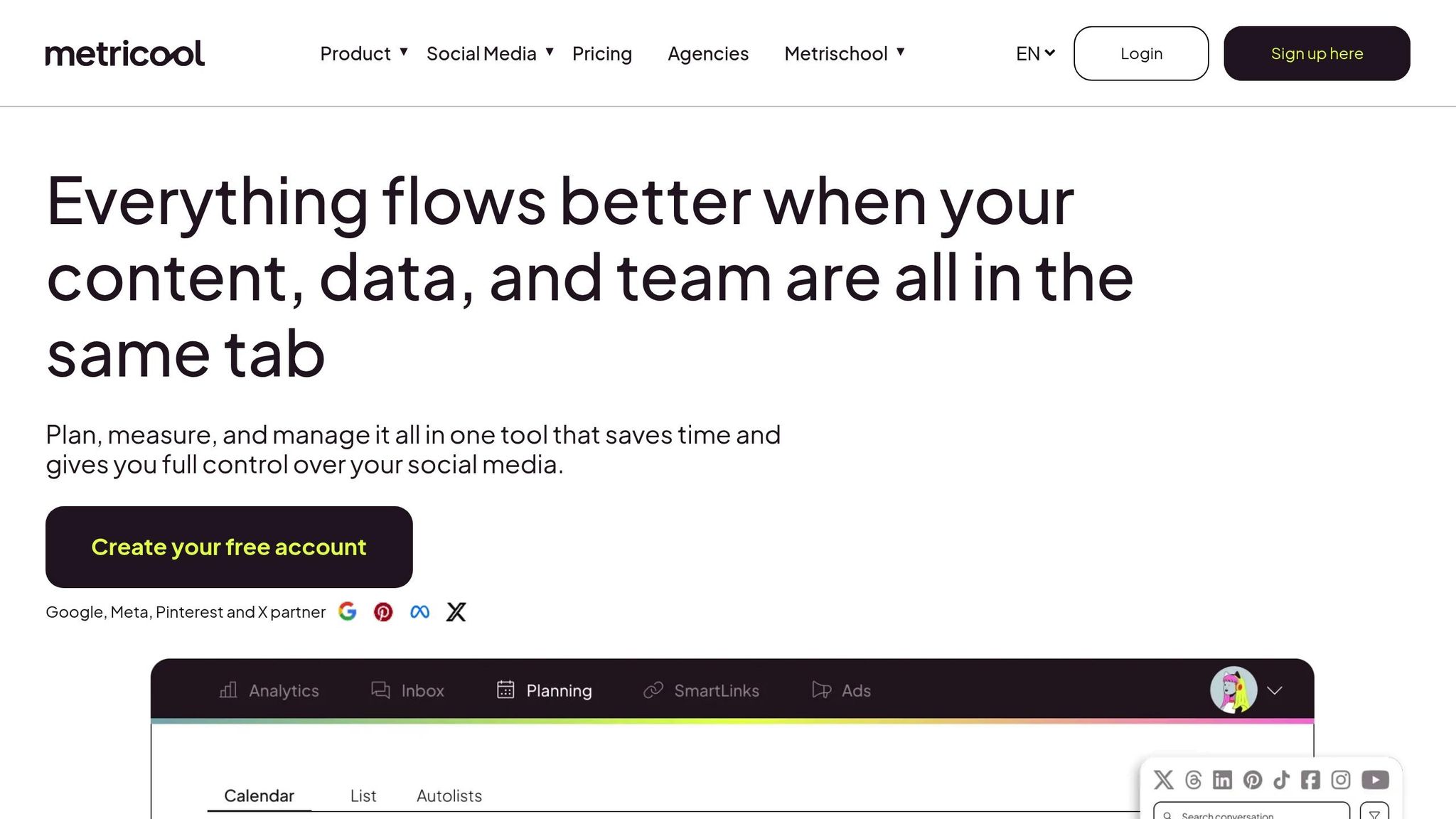
Metricool initially seemed like a strong contender, offering features that excited the evaluators:
- Posting across multiple platforms, including YouTube Shorts, Instagram, TikTok, and Twitter.
- A calendar for optimal timing suggestions based on audience activity.
However, hands-on testing revealed significant limitations:
- YouTube Shorts Limitations: Metricool lacked essential features, such as the ability to add descriptions or select thumbnails for videos - key elements for YouTube optimization.
- Formatting Issues: TikTok captions were unformatted after uploading, leading to a subpar user experience.
- File Size Restrictions: Metricool flagged video uploads for Instagram Reels as too large. The workaround? Resizing videos manually - a time-intensive process that defeats the purpose of automation.
While Metricool offers detailed analytics and insights, these features alone weren’t enough to offset the frustrations with core functionalities.
Tool #2: Buffer – Clean Interface, But Inconsistent Performance
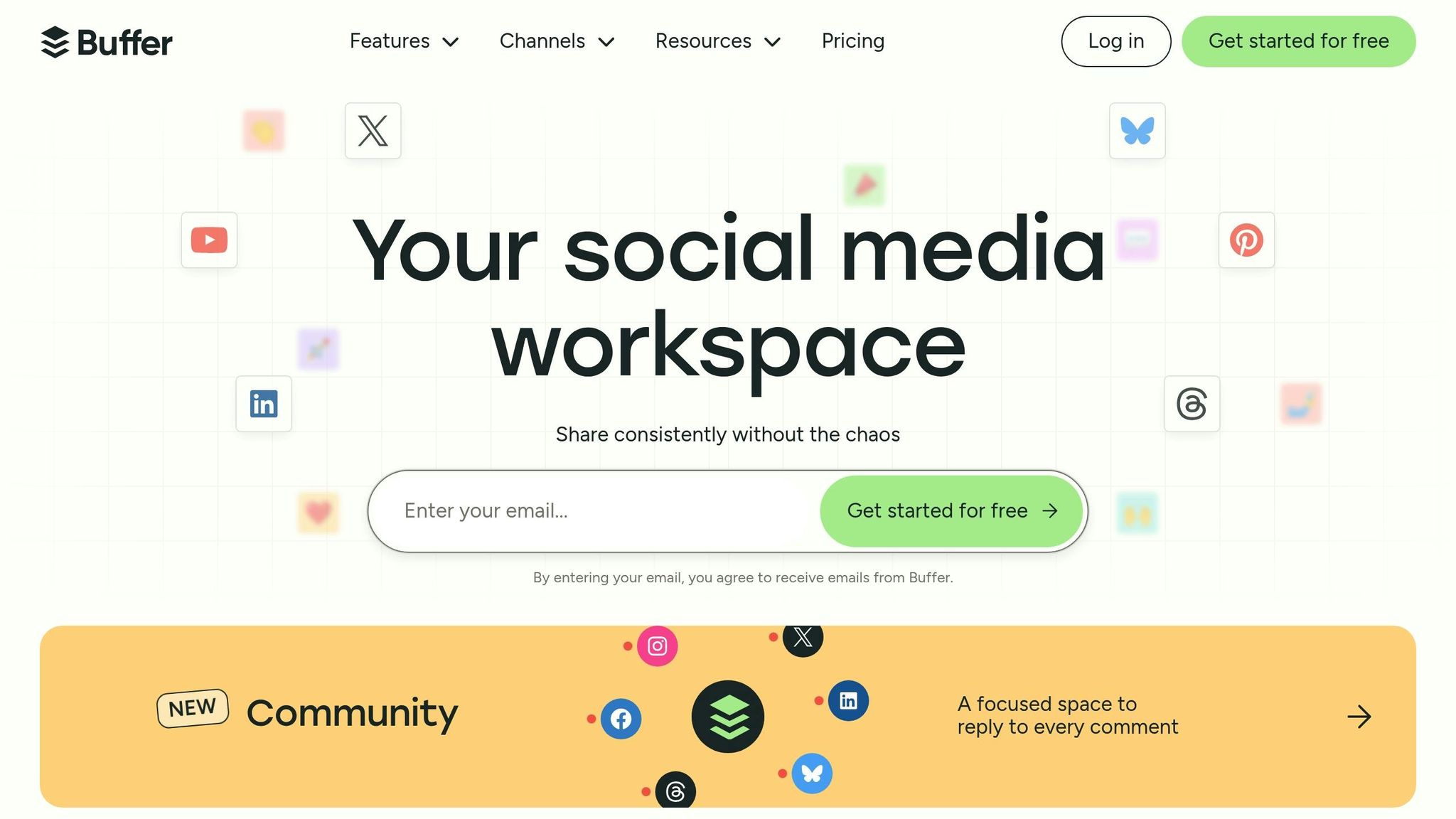
Buffer stood out with its polished, user-friendly design. Highlights included:
- A clean interface that pulled in past social media posts, allowing for a clear calendar view.
- Reliable Instagram Reel uploading without size restrictions.
However, like Metricool, Buffer wasn’t flawless:
- YouTube Shorts Limitations: Similar to Metricool, Buffer could not handle thumbnails, descriptions, or tags for Shorts.
- Learning Curve for Analytics: Buffer’s analytics become more useful over time, but lack immediate insights for new users.
- Occasional Posting Failures: While generally reliable, there were sporadic failures when trying to schedule posts, requiring rescheduling.
Despite these drawbacks, Buffer performed better than Metricool for platforms like Instagram, Twitter, and LinkedIn. For small teams focused more on scheduling than detailed reporting, Buffer was a viable choice.
Tool #3: Hootsuite – Comprehensive but Overpriced

Hootsuite has long been a heavyweight in the social media management space, but its $99/month price tag raised expectations. The tool caters heavily to larger teams, offering features like:
- Extensive reporting capabilities.
- Collaboration tools for approvals and permissions.
Unfortunately, its usability fell short for small teams or individuals:
- Archaic Interface: Parts of the platform felt outdated, with clunky navigation.
- Feature Parity Issues: The same limitations seen in Metricool and Buffer (e.g., no thumbnail or description options for YouTube Shorts) persisted.
- Not Worth the Cost: For small teams not requiring robust reporting tools, Hootsuite’s price point felt unjustified.
Ultimately, Hootsuite seemed better suited for larger organizations needing advanced reporting and team management features, rather than entrepreneurs or small-scale users.
The Unconventional Solution: A Hybrid Approach
After testing these tools exhaustively, the evaluators devised an unconventional workaround: combining platform-native solutions with selective use of third-party tools. Here’s the strategy:
-
Use Buffer for Secondary Platforms:
- Instagram, Twitter, and LinkedIn content was scheduled using Buffer. While not perfect, it offered enough reliability and simplicity for platforms that weren’t mission-critical.
-
Post YouTube Shorts Natively:
- Shorts were uploaded and scheduled directly within YouTube’s native scheduling tool. This allowed for greater control over thumbnails, descriptions, and tags.
-
TikTok: Manual But Strategic:
- TikTok content was uploaded manually, ensuring captions and thumbnails were perfectly formatted. While slightly more time-intensive, this approach maintained video quality and engagement potential.
-
Explore Platform-Specific Tools (e.g., Typefully for X/Twitter):
- For platforms like X (formerly Twitter), specialized tools like Typefully allowed for seamless scheduling, auto-saving drafts, and analytics tracking.
By leveraging native platform tools where essential and Buffer for secondary content, this hybrid approach struck a balance between automation and quality control.
Why Third-Party Tools Struggle
One key insight from this evaluation is the inherent limitations imposed by social media platforms themselves. Tools like Metricool, Buffer, and Hootsuite rely on APIs provided by platforms like YouTube, TikTok, and Instagram. If these platforms don’t prioritize API development for advanced scheduling features, third-party tools are limited in what they can achieve.
Additionally, platforms benefit financially when users manually post content. Opening an app to post increases the likelihood of user engagement (and ad exposure), creating a disincentive for platforms to fully support external scheduling tools.
Key Takeaways
- Buffer is the best all-around choice for Instagram, Twitter, and LinkedIn management, offering reliability and ease of use for non-critical platforms.
- YouTube Shorts require native scheduling to retain control over thumbnails, descriptions, and tags.
- TikTok demands manual posting for optimal quality and engagement, particularly for SEO-driven content.
- Specialized tools like Typefully are excellent for platforms like X/Twitter, providing features like auto-saving and engagement analytics.
- Social media platforms limit third-party tools by restricting API functionalities, making native posting the most reliable method.
- Tailor your strategy to platform priorities: Focus manual effort on platforms critical to your goals and automate less essential ones.
Conclusion
While the dream of a single tool that seamlessly manages all social media platforms remains elusive, a hybrid approach offers a practical solution. By combining the strengths of tools like Buffer with the precision of manual posting for key platforms, you can optimize your workflow without compromising on quality.
Social media management will likely remain a dynamic challenge, as platforms continue to evolve their algorithms and restrictions. For now, however, this strategic blend of automation and hands-on effort can help professionals and entrepreneurs stay ahead in an increasingly competitive digital space.
Source: "Best Social Media Management Tools 2026? Metricool vs Buffer vs Hootsuite vs Typefully 🫣" - Efficient App (Alex & Andra), YouTube, Jun 14, 2024 - https://www.youtube.com/watch?v=Zhh81UPteSs